❋
somatic therapies
somatic therapy addresses trauma healing body-first, unlike mind-first approaches such as talk therapy. studies have shown that the most effective ptsd treatment plans include both talk & somatic therapies.
trauma memories are, by definition, fragmented and stored differently than other memories. Your body… your cells, neural pathways, muscles, joints & bones… remembers trauma on a nonverbal, subconscious level. For this reason, you might analyze your trauma thoroughly, but find little to no relief of symptoms because your body is still reacting as if the trauma is unprocessed.
Somatic therapies provide your body with methods of processing & releasing long-held maladaptive patterns that once saved your life but are no longer helpful.
an activity doesn’t have to be labelled “therapy” in order to help your body process trauma. listen to your body & move toward healthy activities she/he craves.
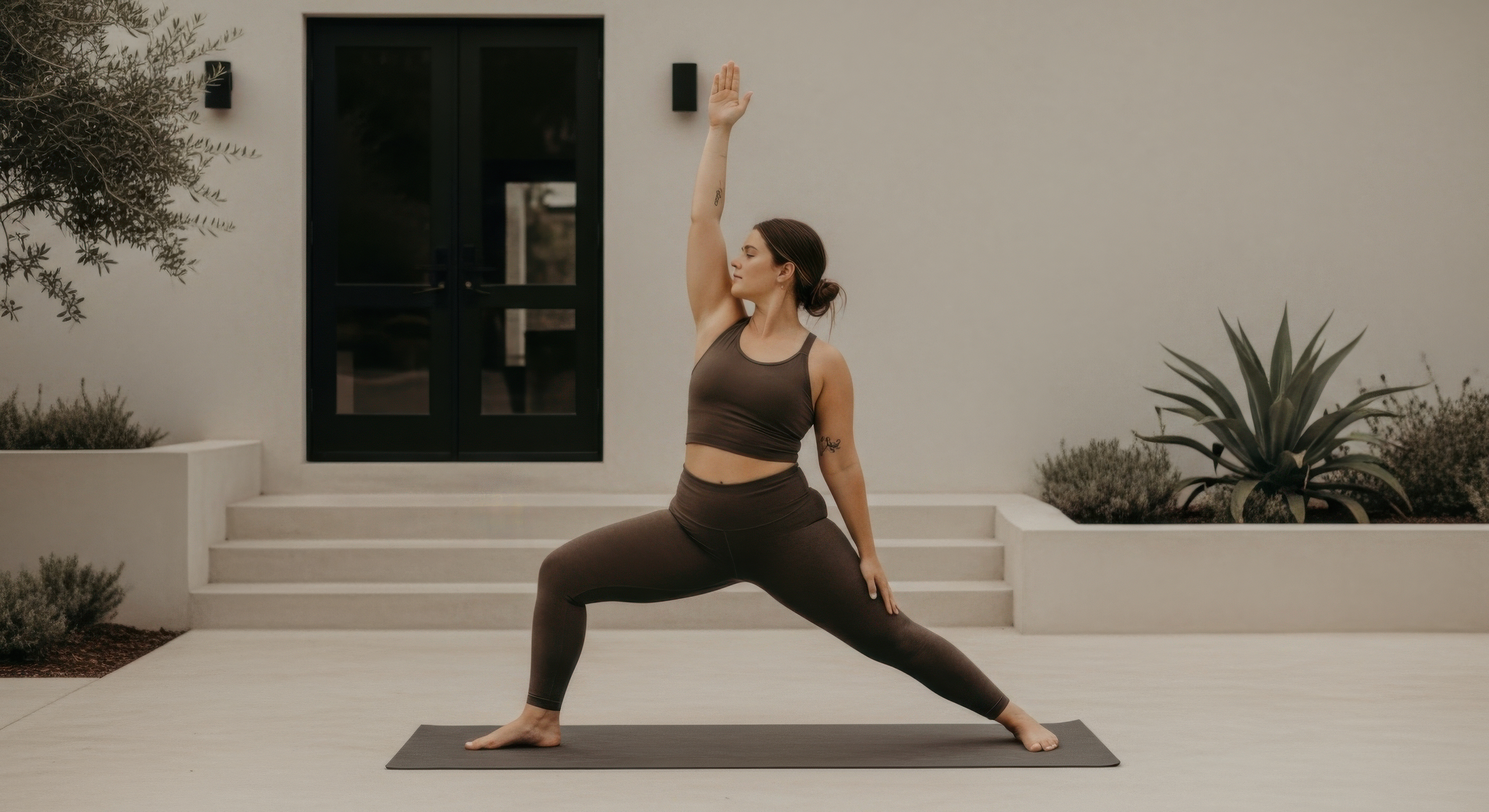
❋ Trauma Sensitive Yoga (TCTSY or TSY)All yoga can be therapeutic to the degree that you connect to your body while practicing. TCTSY was developed deliberately to be a somatic therapy; several studies have proven that it’s as effective as talk therapy for PTSD, and extremely powerful in combination with talk therapy.
This modality is by definition secular.
NOLA provider: Michelle Scandurro, Orange Blossom
❋ Trauma Release Exercise (TRE)In TRE, you tap into your body’s natural neurological tremor response. Think of an animal shaking its body after being chased by a lion. The function of the shaking is to complete your body’s trauma response so you can move on.
Secular modality.
NOLA provider: Laureen Herman, SomaEase (IG)
❋ Ecstatic DanceAll dance can be incredibly healing and help your body move through some deep emotions. Ecstatic dance, in particular, is intentionally about allowing your body to move however it needs to within safe boundaries, with no concern about looking a certain way or dancing “with” others. An ecstatic dance event usually follows an arc of slower-paced music that helps you feel safe & open up that moves into faster-paced music, which encourages more movement and exploration, and ends with calming music which guides participants to into rest or resolution.
Good facilitators ensure that all participants are sober at the time & observe personal boundaries. Ecstatic dance is not generally dancing with a parter, should not be sexual in nature, and is not performative.
Can be a secular modality.
NOLA providers:
Ecstatic Dance New Orleans (FB & IG)
Kate Becker, Animalia
NOLA Conscious Dance (IG)
❋ Holotropic BreathworkUnlike gentle, meditative breathing exercises, holotropic breath work is a fast-paced breathing method designed to saturate your brain with oxygen.
Generally, music is used to help guide your breathing, including loud drumming. It can be a very intense experience, but it can create a mental state that opens new ways of relating to your past & present, sometimes allowing your body to process traumatic experiences on a subconscious level. Some studies have shown that holotropic breath work allows you to relate differently to your past traumas. The results can be invigorating, healing, or troubling. It can feel like a physical release, or create agitation, or you might not feel much besides your controlled breathing.
The facilitator guides you through any tough spots and helps you to move through the process towards some form of integration.
Ask your doctor before trying this, and approach the experience with respect.
Is often presented as a secular modality.
NOLA providers:
Kate Becker, The Radiant Shadow
Dehan Elcin, Psybreath
❋ Cold DipI’m not aware of any guided cold dip modalities, but cold dips (or ice baths) on your own can reset your nervous system and release endorphins. They’ve been shown to regulate hormones and elevate mood for several hours. The stimulation to your nervous system often allows your body to process old traumas.
Be careful & truly listen to your body: most people can only remain submerged in extremely cold water for a few seconds at a time. Don’t push yourself to say in the water too long! For safety, you should try it the first several times with a partner.
Ask your doctor before trying this.
❋ Sweat LodgeAs with other modalities, any intentional exposure to heat can generate a physical release & healing. A sweat lodge is usually a ceremony intended to help participants connect to themselves through the experience of managing their bodies’ response to extreme heat. It’s not unlike a sauna environment, but there is often a guide who helps participants manage the heat, leads them through a process, and encourages connections to themselves & others.
Ask your doctor before trying this.
What to expect: The ceremony usually takes place in a homemade hut with a fire outside of it. Stones that are heated in the fire are brought into the hut one at a time & generate steam. The hut is generally sealed & therefore extremely dark, and once all participants are inside, it can be close quarters.
Sweat lodge ceremonies originate from indigenous practices, and, depending on the leader, could include some indigenous religious or New Age elements. If it’s important to you, you may inquire as to whether it’s a secular ceremony or includes religious elements.
NOLA provider: Psychedelic Society of New Orleans
Any activity that you combine with mindfulness — bringing your awareness into what your body is experiencing in the present moment — is a form of somatic therapy.
It’s about prioritizing your bodily experience over your intellectual experience.
Being over thinking.
Listening to your body’s cues rather than your thoughts.
Letting go of story & being embodied.

The beauty of somatic therapy is that
you don’t have to tell your story, or even think about it.
You don’t even have to know what trauma you’re addressing. You simply show up and connect to your body.
Afterwards, you don’t need to understand what happened or analyze anything. Your body does the work on a sub-language, subconscious level.
The somatic practices listed here are not an exhaustive list, and none of them are a replacement for a relationship with a licensed mental health professional.
Sometimes, somatic therapies will release memories or strong emotions that feel overwhelming. In those cases, it’s important to have a pre-existing support system: people or a person who can help you manage anything that may come up due to somatic work.
Somatic therapies work best in combination with talk therapy.